

As the weather cools down, many men notice that urinary symptoms become more bothersome More frequent trips to the bathroom, increased urgency, getting up several times overnight, or a weaker urine stream are all common complaints during winter. If you have an enlarged prostate, you’re not imagining it–colder temperatures can genuinely make symptoms more noticeable. […]
bladder
What Every Man Needs to Know About His Prostate

In our kickoff for Men’s Health Month, we highlighted prostate health as a critical conversation men need to bring into the light. Because this small, walnut-sized gland plays such a massive role in aging, it deserves a closer look. Understanding the difference between normal aging and warning signs is the first step toward taking control […]
Bladder Cancer: The ‘Hidden’ Cancer Every Smoker Should Know About

When most people think about the dangers of smoking, their minds immediately go to the lungs. We’ve seen the graphic warnings and the statistics on respiratory disease for decades. However, there is another organ – one far removed from the chest cavity – that is profoundly affected by tobacco: the bladder. Bladder cancer is often […]
The Gut-Bladder Connection: Can Probiotics Prevent Recurrent UTIs?

The Gut-Bladder Connection: Can Probiotics Help Men Break the Cycle of Recurrent UTIs? When men experience urinary tract infections (UTIs), the conversation usually turns immediately to antibiotics. However, for men dealing with chronic or recurrent symptoms, the traditional “attack the bacteria” approach is only half the battle. Emerging research into the human microbiome suggests that […]
Active Surveillance: Why ‘Watching and Waiting’ is Often the Best Strategy for Prostate Cancer

Receiving a prostate cancer diagnosis is a life-altering moment. For many men, the immediate instinct is to “get it out” as quickly as possible. However, modern urology has shifted significantly toward a strategy called Active Surveillance. In 2026, Active Surveillance is now the preferred management for the majority of low-risk prostate cancers in Australia. Here […]
Expert Urologic Care with Advanced Surgical Precision in Sydney

Dr Arianayagam has built a reputation as one of New South Wales’ leading urologic surgeons, with a strong focus on cancer surgery and advanced, minimally invasive techniques. With extensive training across robotic, laparoscopic and open procedures, he brings a versatile and highly specialised approach to treating a wide range of urological conditions. At the forefront […]
Is It a UTI – or Something Else? A Guide for Men with Recurrent Urinary Symptoms
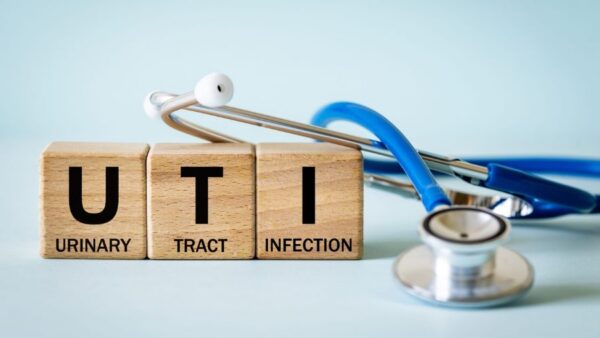
That sudden sting, the “I’ve just been to the bathroom five minutes ago” urgency, or the nagging feeling that something’s not right – most men immediately think urinary tract infection (UTI). UTIs happen, sure, but if the symptoms keep coming back – or never fully go away – it’s worth digging a little deeper. In […]
Urology and Ageing: What Older Australians Should Know

As Australia enters 2026, demographic shifts are reshaping the landscape of healthcare, and urology is no exception. With the proportion of Australians aged 65 and older steadily increasing, demand for urological services is growing—especially for conditions like prostate enlargement, urinary incontinence, kidney stones, and bladder health issues. Prostate health remains a central concern for older […]
Summer Hydration & Urinary Health: Why December Is Peak Kidney Stone Season

December might mark the start of the festive season, but it also marks the start of Australia’s unofficial kidney stone season. As temperatures rise and routines get looser, urologists tend to see a noticeable spike in patients presenting with stone-related pain, dehydration, and urinary issues. The main culprit is simple: summer heat equals fluid loss, […]
Robotic Cystectomy: The Modern Approach to Bladder Surgery

Robotic cystectomy is a minimally invasive surgical procedure used to remove part or all of the bladder. It is most commonly performed to treat bladder cancer, but may also be recommended for certain neurological conditions or congenital abnormalities affecting the urinary system. Understanding the Bladder The bladder is a muscular sac located in the pelvis, […]
Bladder Health Awareness Month: Keep Your Bladder in Top Shape

October marks Bladder Health Awareness Month, a chance to shine a light on an often-overlooked part of our health. For Australians, staying on top of bladder health isn’t just about comfort—it can help prevent urinary tract infections (UTIs), support kidney function, and even catch bladder cancer early. Tips for a Healthy Bladder Bladder Cancer AwarenessBladder […]
Move for Your Heart – And Your Bladder: Exercise and Urologic Health

Engaging in physical activity and prioritizing heart health offer numerous advantages. Notably, maintaining cardiovascular well-being through exercise can contribute to the treatment of various urological conditions. We are well aware of the positive impact of regular exercise. It not only enhances cardiovascular fitness, strength, and endurance but also holds a significant connection to urology. Urinary […]