
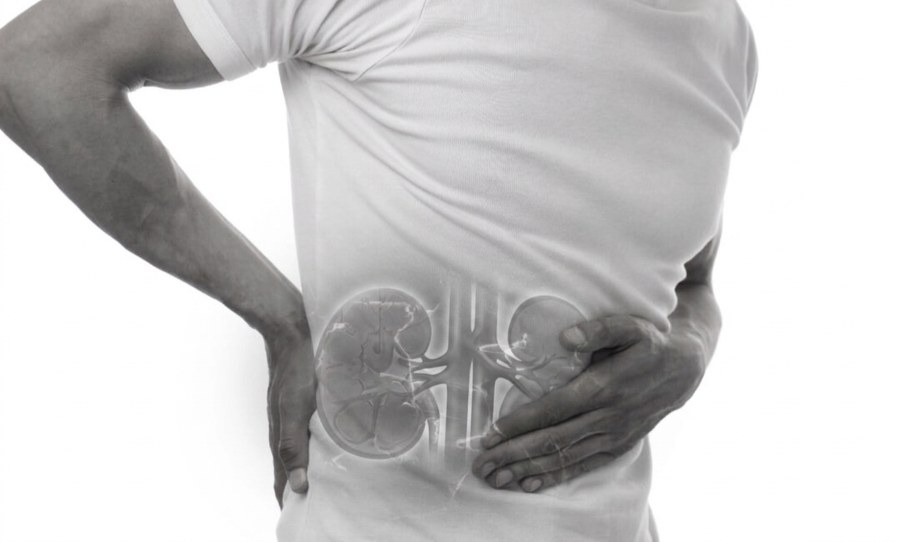
Dr Mohan Arianayagam is a urologist in Sydney with rooms in Bella Vista, Penrith and Windsor. Call 1300 307 990 or send your referral.
Radical nephrectomy removes an entire kidney, most commonly to treat kidney cancer. Here’s when it may be recommended, how the surgery is performed and what recovery involves.
A radical nephrectomy is an operation to remove an entire kidney, most commonly as a treatment for kidney cancer.
Unlike a partial nephrectomy, which removes a tumour while preserving healthy kidney tissue, radical nephrectomy removes the whole affected kidney. Surrounding fatty tissue and part of the ureter may also be removed, while the adrenal gland or nearby lymph nodes are only removed when there is a clinical reason to do so.

For patients considering radical nephrectomy in Sydney, treatment can be performed using open, laparoscopic or robot-assisted surgery. The most appropriate approach depends on the size and position of the tumour, whether it has grown into nearby structures, the patient’s kidney function and overall health, and the complexity of the operation.
What is a radical nephrectomy?
Radical nephrectomy means removing the entire affected kidney.
The operation is different from a partial nephrectomy, where only the tumour or diseased section of the kidney is removed and healthy kidney tissue is left behind.
Where kidney-sparing surgery can safely treat a smaller localised tumour, partial nephrectomy is generally preferred because it preserves more kidney function. Current European Association of Urology guidelines recommend partial nephrectomy for T1 kidney tumours when technically feasible.
Radical nephrectomy becomes an important option when preserving part of the kidney would make the operation unsafe, technically difficult or less effective at removing the cancer.
When is radical nephrectomy recommended?
Radical nephrectomy may be recommended when a kidney tumour is large, complex or positioned in a way that makes partial nephrectomy unsuitable.
Current clinical guidelines recommend laparoscopic or robotic radical nephrectomy for T2 localised kidney tumours that cannot be treated with partial nephrectomy.
The decision is not based on tumour size alone.
A surgeon will also consider:
- where the tumour sits within the kidney
- whether it is close to major blood vessels
- whether it has grown outside the kidney
- how much healthy kidney tissue could realistically be preserved
- the function of the affected and remaining kidney
- the patient’s general health
- whether attempting partial nephrectomy could compromise cancer treatment or surgical safety.
Imaging such as CT or MRI plays an important role in assessing the tumour and planning the operation.
What is removed during a radical nephrectomy?
The entire affected kidney is removed during a radical nephrectomy.
Surrounding fatty tissue and part of the ureter may also be removed as part of the operation. Depending on the individual cancer, nearby lymph nodes or the adrenal gland above the kidney may sometimes need to be removed.
However, removal of the adrenal gland is not automatically part of every radical nephrectomy. Current EAU guidelines specifically advise against removing the adrenal gland when there is no clinical evidence that the cancer has invaded it. Routine lymph-node removal is also not recommended for organ-confined disease.
The extent of surgery is therefore tailored to what is seen on imaging and during the operation.
Radical nephrectomy vs partial nephrectomy
The main difference is how much of the kidney is removed.
A partial nephrectomy removes the tumour and preserves the healthy portion of the kidney.
A radical nephrectomy removes the entire affected kidney.
For smaller T1 kidney tumours, partial nephrectomy is preferred when it can be performed safely. For larger or more complex tumours that are not suitable for kidney-sparing surgery, radical nephrectomy may provide the safer and more appropriate treatment.
This does not mean radical nephrectomy is simply a more aggressive version of the same procedure. The aim is to select the operation most likely to remove the cancer safely while protecting long-term health.
The type of nephrectomy and the method used to perform it are also separate decisions. Both partial and radical nephrectomy can potentially be performed through open, laparoscopic or robot-assisted approaches.
How is a radical nephrectomy performed?
Radical nephrectomy is performed in hospital under general anaesthesia.
There are three main surgical approaches: open, laparoscopic and robot-assisted radical nephrectomy.
Open radical nephrectomy
During open surgery, the surgeon accesses the kidney through a larger incision in the abdomen or side.
Open surgery remains particularly important for large or complex kidney cancers, including some tumours that have grown into nearby structures or major blood vessels.
It provides the surgeon with direct access to the kidney and surrounding anatomy and may be the safest approach for more advanced operations.
Laparoscopic radical nephrectomy
Laparoscopic surgery is performed through several small incisions in the abdomen.
A camera and specialised surgical instruments are inserted through these openings, allowing the kidney to be separated internally before it is removed.
For appropriate patients, laparoscopic radical nephrectomy generally involves less surgical morbidity than open radical nephrectomy. Current EAU evidence also indicates comparable short-term cancer outcomes between laparoscopic and open radical nephrectomy for T1–T2a tumours.
Robotic radical nephrectomy
Robot-assisted radical nephrectomy is another minimally invasive approach.
The surgeon sits at a console and controls robotic instruments inserted through small incisions. The system provides a magnified three-dimensional view of the surgical area and allows highly controlled movement of the instruments.
The robot does not perform the surgery independently. Every movement is controlled by the surgeon.
Robotic radical nephrectomy may be suitable for some patients who require complete kidney removal, depending on the tumour and the surgeon’s assessment.
Is robotic radical nephrectomy better than open surgery?
There is no single surgical approach that is best for every patient.
Laparoscopic and robotic techniques can offer advantages associated with minimally invasive surgery, including smaller incisions and, for many suitable patients, a shorter initial recovery than open surgery.
However, the priority is to remove the tumour safely and effectively.
Current EAU guidelines recommend that minimally invasive surgery should not be used if it could compromise cancer control, kidney function or peri-operative outcomes.
For a straightforward localised tumour, robotic or laparoscopic surgery may be appropriate. For a very large or locally advanced tumour, open surgery may provide the surgeon with better access and control.
The surgeon’s experience with the chosen technique is also an important part of the decision.
What if kidney cancer has grown into a major vein?
Some kidney cancers can extend from the kidney into the renal vein or the inferior vena cava (IVC), the major vein that carries blood back towards the heart.
These cases can require a more complex operation in which the kidney and tumour extending into the vein are removed. This is known as an IVC thrombectomy.
The complexity of the procedure depends on how far the tumour extends into the vein. In more advanced cases, major open surgery and support from a multidisciplinary surgical team may be required.
Dr Mohan Arianayagam’s practice includes open kidney surgery and IVC thrombectomy for selected complex kidney cancers involving the large abdominal veins.
What are the risks of radical nephrectomy?
Radical nephrectomy is major surgery, and complications are possible.
Potential risks include:
- bleeding
- infection
- blood clots in the legs or lungs
- complications related to general anaesthesia
- chest infection or pneumonia
- injury to nearby organs, tissues or blood vessels
- reduced overall kidney function
- cardiovascular complications
- the need for additional treatment or surgery in some circumstances.
The individual level of risk varies according to the patient’s age and health, the size and extent of the tumour and whether the operation is performed using an open or minimally invasive approach.
Before surgery, the urologist should discuss the expected benefits, individual risks and alternatives with the patient.
What happens after a radical nephrectomy?
After surgery, patients are monitored while recovering from the anaesthetic and operation.
Blood pressure, fluid balance, urine output and kidney function may all be checked.
A urinary catheter is generally inserted around the time of surgery and kept in place temporarily. Pain relief is provided, and patients are encouraged to begin moving when it is safe to do so.
Walking after surgery helps reduce the risk of blood clots, while breathing exercises may help reduce the risk of chest complications.
The length of the hospital stay varies considerably. Depending on the procedure and individual circumstances, hospitalisation following nephrectomy may range from around one night to a week or longer.
How long does recovery take after radical nephrectomy?
Recovery depends on the type of surgery, the complexity of the tumour and the patient’s overall health.
People undergoing uncomplicated laparoscopic or robotic radical nephrectomy will often have a faster initial recovery than those undergoing open surgery.
Once home, gentle walking and light everyday activity are generally encouraged, with activity gradually increased as recovery progresses.
Heavy lifting, strenuous exercise and physically demanding work should be avoided until the surgical team advises that they can be resumed safely.
Some people will feel relatively comfortable within a few weeks, while complete recovery after a major nephrectomy can take considerably longer.
Rather than relying on a fixed timeframe, patients should follow the individual postoperative instructions provided by their surgeon.
Can you live normally with one kidney?
For most people with a healthy remaining kidney, yes.
When one kidney is removed, the remaining kidney can usually provide sufficient function for everyday life. Many people with one functioning kidney live healthy lives without significant problems.
Having one kidney does make protecting its long-term health particularly important.
Follow-up may include monitoring:
- kidney function through blood and urine tests
- blood pressure
- protein levels in the urine
- other conditions that could affect kidney health.
People with a solitary kidney can have an increased risk of high blood pressure, protein in the urine or reduced kidney function, although serious complications are uncommon for many people.
Patients who already have reduced kidney function or other risk factors may require closer monitoring.
What follow-up is needed after radical nephrectomy?
When radical nephrectomy is performed for kidney cancer, follow-up is about more than checking how the remaining kidney is functioning.
Patients will usually have ongoing surveillance to look for any signs that the cancer has returned or appeared elsewhere in the body.
The frequency and type of follow-up depend on factors including the original tumour’s size, stage, pathology and overall risk of recurrence.
This may involve physical examinations, blood tests and periodic imaging.
The follow-up schedule should therefore be tailored to the individual patient rather than applying the same timetable to everyone.
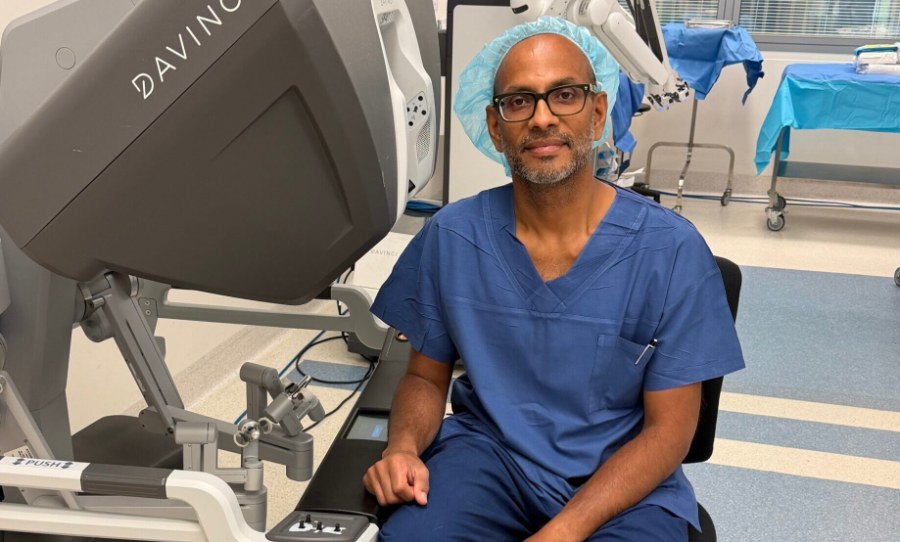
Radical nephrectomy in Sydney with Dr Mohan Arianayagam
Dr Mohan Arianayagam is a Sydney urologic surgeon with experience in radical nephrectomy, partial nephrectomy and complex kidney cancer surgery, using robotic, laparoscopic and open techniques.
Following his urology training in New South Wales, Dr Arianayagam completed a two-year Urologic Oncology Fellowship at the University of Miami Miller School of Medicine, where he undertook further training in robotic cancer surgery.
His practice includes robotic nephrectomy for complete kidney removal as well as robotic partial nephrectomy when kidney-sparing surgery is suitable.
For more complex kidney cancers, he also performs open radical nephrectomy and IVC thrombectomy where a tumour has extended into the major veins of the abdomen.
For patients who have been diagnosed with a kidney tumour, consultation with a urologist can help determine whether radical nephrectomy is required, whether part of the kidney can safely be preserved, and whether robotic, laparoscopic or open surgery is the most appropriate approach.