
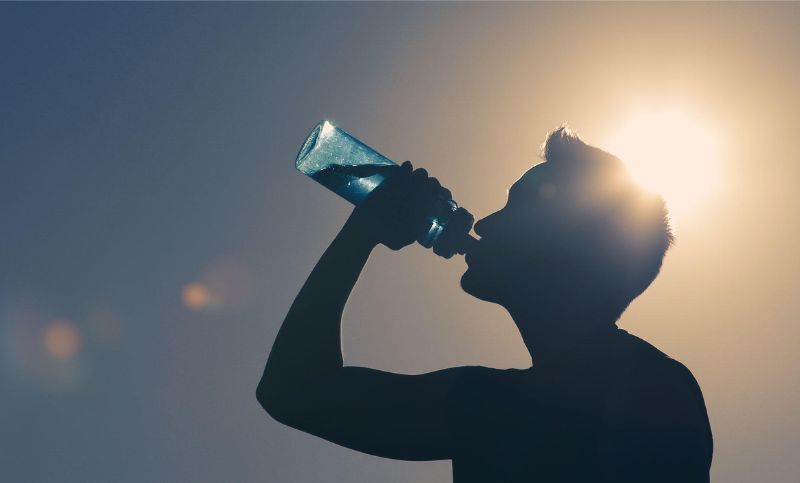
As the temperature drops in Sydney, our natural thirst response tends to diminish.
While we are quick to carry a water bottle during a scorching January afternoon at Bondi, the cooler winter months often lead to a significant – and potentially dangerous – drop in our daily fluid intake.
At Urology Specialist, we often see a seasonal spike in preventable conditions like kidney stones and Urinary Tract Infections (UTIs) during the winter. Understanding the “winter hydration gap” is essential for maintaining your urological health year-round.
The “Invisible” Dehydration of Winter
In summer, sweat is a visible reminder to rehydrate. In winter, however, dehydration is more subtle. We lose significant moisture through insensible water loss—the water vapor lost from our lungs every time we breathe in the cold, dry air. Furthermore, the use of indoor heating can dry out the skin and mucous membranes, further depleting our body’s water reserves without the “alarm bell” of feeling overheated.
How Dehydration Impacts Your Kidneys
1. The Formation of Kidney Stones
Kidneys act as the body’s filtration system. When you are well-hydrated, waste products in the urine are diluted and easily flushed out. When fluid intake drops, urine becomes highly concentrated with minerals like calcium, oxalate, and uric acid.
If these minerals become too concentrated, they can crystallize and form kidney stones. Once a stone forms, it can cause excruciating pain as it moves through the urinary tract. Staying hydrated is the single most effective way to prevent the “supersaturation” of urine that leads to stone formation.
2. Increased Risk of UTIs
Hydration plays a mechanical role in protecting the bladder. Regular urination helps “flush” bacteria out of the urinary tract before it has a chance to adhere to the bladder lining and cause an infection.
In winter, because we feel less thirsty, we tend to go longer periods without drinking or urinating. This stagnant environment allows bacteria to multiply, leading to the stinging, urgency, and discomfort associated with a UTI.
Tips for Staying Hydrated in a Sydney Winter
If the idea of a cold glass of water is unappealing when it’s 12°C outside, try these alternatives:
- Warm Infusions: Herbal teas or warm water with a slice of lemon provide hydration without the chill.
- Hydrating Foods: Incorporate soups and stews, which are high in water content and perfect for the season.
- Monitor Your Urine: The simplest gauge of hydration is color. Aim for a pale straw color; if it is dark yellow or amber, your kidneys are asking for more water.
Contact Us
Dr. Arianayagam is an expert in urological cancer surgery and the treatment of urological conditions. He is one of the most experienced cancer surgeons in Sydney.
After training in NSW, further training in Urologic Oncology was undertaken at the University of Miami Miller School of Medicine. He completed a two-year fellowship accredited by the Society of Urologic Oncology.
If you have any further questions about urological health or would like to book an appointment, please feel free to call.