




See the latest News & blog posts from urologyspecialist.com.au.
-

Understanding Prostate Cancer: Anatomy, Types, Causes, Risk Factors, Symptoms, and Treatments
Here we overview the prostate’s anatomy and the different types, causes, risk factors, symptoms, and treatment of prostate cancer. Prostate cancer develops when abnormal cells in the prostate gland start to mutate and grow uncontrollably and more rapidly than normal cells. These abnormal cells can sometimes grow outside the prostate and into different parts of… Read more
-

The Urological Dangers of Smoking: Why Quitting is Crucial for Your Health
Smoking is closely linked with several chronic conditions and should be avoided for the sake of your health. Here we take a look at some of the urological impacts of smoking. Cigarette smoking is most commonly associated with lung cancer and cardiovascular disease, but did you know it is closely linked with many urological conditions… Read more
-

Stay UTI-Free: 5 Essential Tips for Urinary Health
Preventing urinary tract infections (UTIs) is important, especially for women, as they are more prone to this condition. Fortunately, there are simple ways to avoid UTIs. Here are 5 effective methods to prevent UTIs. If you’ve ever had a urinary tract infection, you’ll know how uncomfortable they can be – the constant urgent need to… Read more
-

Decoding Hematuria: Unraveling the Mystery of Blood in Urine
Blood in the urine can be caused by several different issues, ranging from strenuous exercise to kidney disease or bladder stones. There are several reasons for blood being present in the urine (hematuria). Many of these are benign and should not be a cause for distress. However, everyone should be evaluated as it can be… Read more
-
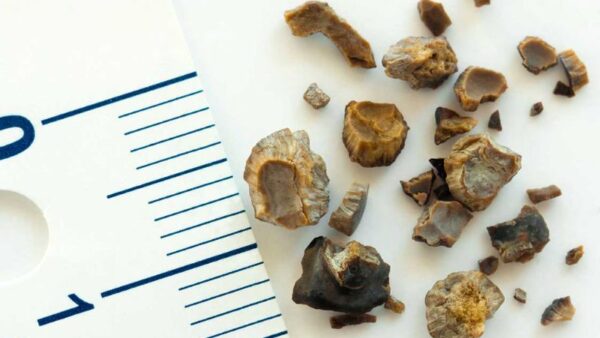
Understanding Kidney Stones: Causes, Symptoms, and Treatment Options
While most kidney stones will pass on their own accord, larger stones may require surgery. Here’s an overview of kidney stones. The kidneys are vital organs that filter water and other waste products from your blood, produce urine and hormones, and maintain levels of minerals in your bloodstream. They are small and bean-shaped and are… Read more
-

Understanding Urinary Diversion: Three Types and Their Applications
There are three different types of urinary diversion, each applicable for different situations. Let’s take a closer look at all three. A urinary diversion is required when the bladder can no longer function normally as a reservoir for storing urine. It is a surgical procedure that redirects urine flow out of the body due to… Read more
-

Minimizing Erectile Dysfunction Risks: The Role of Robotic Surgery in Urological Procedures
Erectile dysfunction is a potential complication from some surgeries. However, robotic surgery minimises this risk greatly. Erectile dysfunction is the inability to achieve an erection, a firm enough erection needed for sexual intercourse, or the inability to sustain an erection long enough to achieve sexual climax. It is almost always the symptom or result of another problem,… Read more
-

Unlocking Relief: Holmium Laser Enucleation of the Prostate (HoLEP) – Pioneering Minimally Invasive Treatment
Holmium laser enucleation of the prostate (HoLEP) is a minimally invasive procedure to treat an enlarged prostate. Here is a look at the procedure, recovery, risks and possible side effects. Holmium laser enucleation of the prostate – otherwise more simply known as holmium laser prostate surgery or abbreviated as HoLEP – is a minimally invasive… Read more